


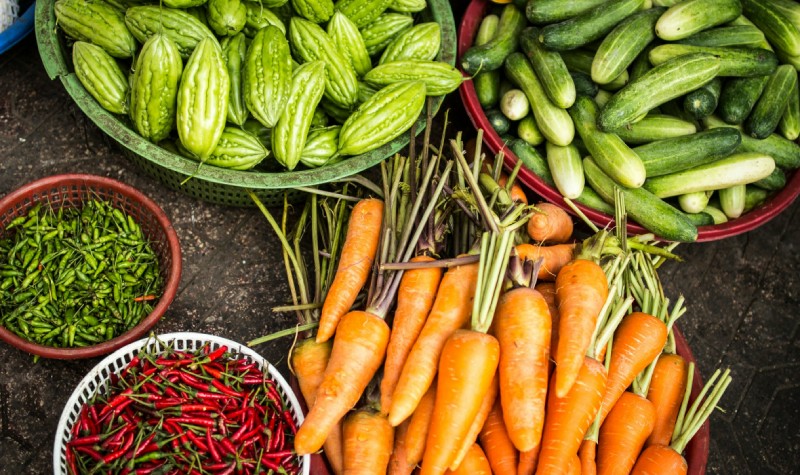
Food Includes is a free, open suite of facilitator-ready resources designed to help educators use food — festivals, markets, recipes, food drives, cultural traditions, and shared meals — as a vehicle for inclusion, belonging, and skill-building. Each OER reflects a growing recognition that learning is most powerful when it is rooted in real-life, hands-on, community-based practice.
The resources respond to a clear gap in adult and community education: while many programmes aim to support marginalised adults, fewer give educators structured, ready-to-deliver tools that combine practical activity with entrepreneurial, digital and social-emotional learning. Food Includes addresses this by providing flexible, modular pathways that connect these areas through the universal language of food.
Food crosses every border. It carries identity, memory, and belonging — which makes it a uniquely effective starting point for learning with diverse groups. Whether someone is newly arrived, rebuilding after hardship, or simply finding their place in a community, a shared table lowers barriers that a classroom often raises.
Food Includes is designed for educators, trainers, facilitators and community workers supporting migrants, refugees, and vulnerable adults. The OERs are equally suited to formal adult-education settings and informal community projects, and they assume no specialist background — each resource walks the facilitator through planning, delivery, and reflection step by step.
By working through these resources, learners build entrepreneurial confidence, language and communication skills, digital capability, and intercultural understanding — all in real, public-facing practice rather than abstract exercises. Facilitators gain a complete, adaptable toolkit: timelines, checklists, role guides, communication plans, and trauma-informed approaches where the subject matter calls for them.
| # | Why it matters | |
| 1 | Food Festival (CDEA) | Uses a community food festival as a real-life learning environment - building entrepreneurial, digital and social skills while bringing a whole community together. |
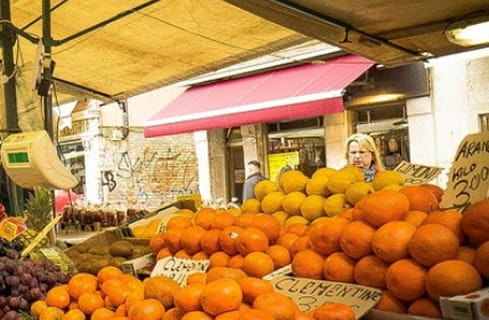
| 2 | Local Food Markets | Helps marginalised adults set up and run food stands at local markets, developing entrepreneurial, language and intercultural skills in public-facing practice. |
| 3 | Inclusive Recipe Cards | Turns recipes into vehicles for storytelling, identity and inclusion — empowering marginalised voices and making personal heritage visible. |
| 4 | Cultural Traditions in Food Education | Explores how food traditions shape identity and belonging, with a focus on rituals across borders and women as custodians of culinary heritage. |
| 5 | Food Drive | Guides learners through organising a community food drive — a project-based pathway to civic engagement, social integration and shared purpose. |
| 6 | Food, Wellbeing & Resilience | Uses food as a tool for healing, resilience and community-building, with a fully trauma-informed approach to working with food, memory and emotion. |